Ty Seren
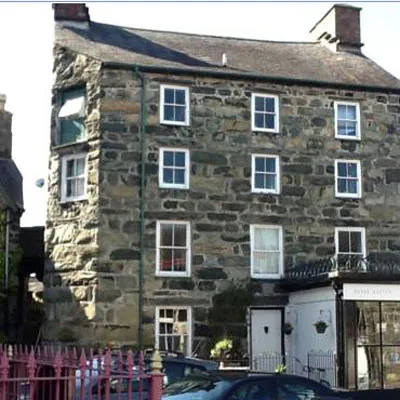
Ty Seren
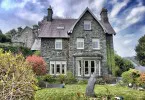
A former woollen mill, this charming 210-year-old property is located in the market town of Dolgellau, Gwynedd within the Snowdonia National Park. Ty Seren offers three en suite rooms, a full Welsh breakfast and free bicycle storage, rental and washing facilities.
This family-run B&B is filled with original features, including an inglenook fireplace, oak beams and a unique winding stone staircase at the rear. Individually decorated rooms feature free Wi-Fi, a TV and tea and coffee making facilities. Breakfast at Ty Seren is freshly cooked to order and features locally sourced ingredients. Vegetarian options are available and all breakfasts are served with cereals, fruit, juices, yoghurt, tea and coffee.
The property is 1 minutes’ walk from the nearest pub and 2 minutes by foot from Ty Siamas, the new National Folk Music Centre of Wales. Fishing, bird watching and walking are all available nearby and the Coed y Brenin Mountain Bike Centre is only 8 miles away.
View on the Booking.com Website
The Dolserau Hall Hotel
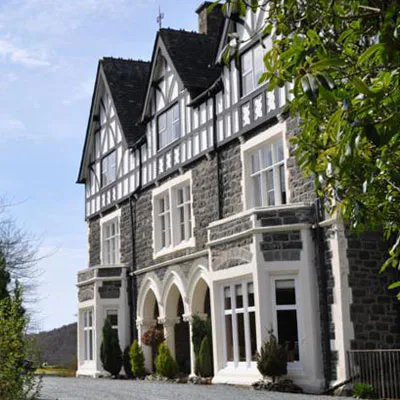
The Dolserau Hall Hotel
This Victorian country house hotel is in Snowdonia National Park, looking out over its own quiet grounds to the hills and mountains. It has luxury rooms and an award-winning restaurant. The Dolserau Hall Hotel was built in 1860 and has many original features. It is 2 miles from the foot of the Cadair Idris mountain.
The large rooms have luxury bedding, towels and toiletries from Molton Brown. Each room has tea/coffee and there is fresh milk in a small fridge on each floor.
A traditional full Welsh breakfast is available each day.
There is a bar, a Victorian walled garden and free parking for guests. Free Wi-Fi can be accessed in the lounges, bistro and bar.
The Winter Garden Restaurant has won an AA Rosette for its fresh, locally sourced food.
View on the Booking.com Website
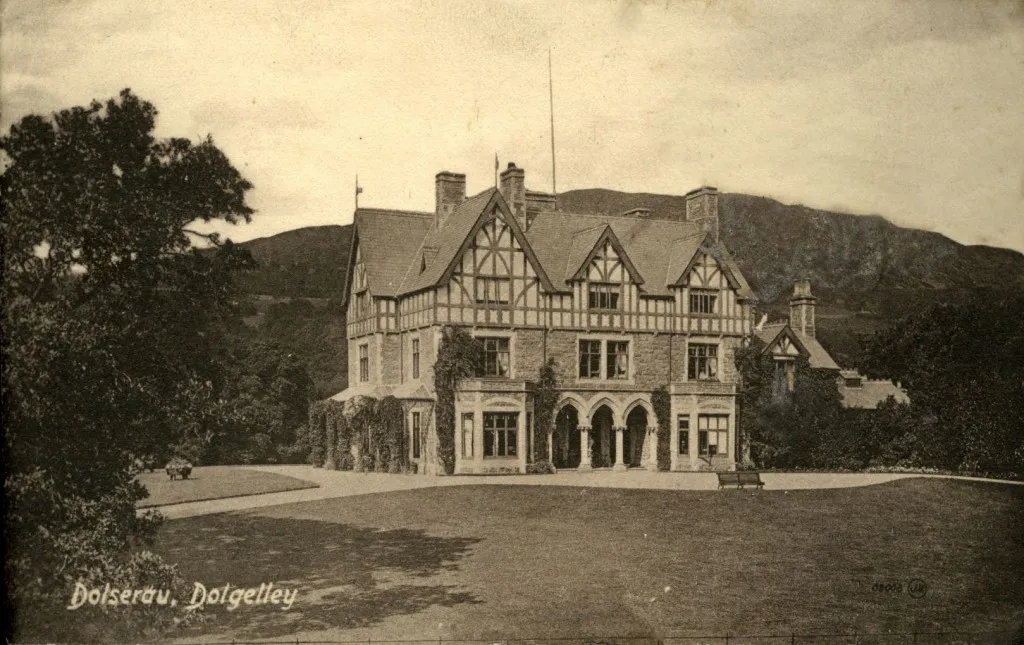
A Postcard of Dolserau from 1934
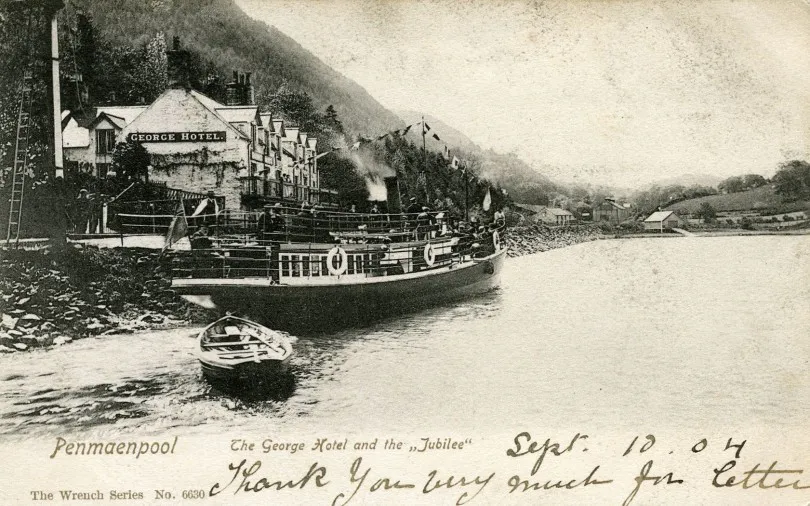
George III, Penmaenpool
George III, Penmaenpool
Set on the banks of the magnificent Mawddach Estuary, this charming hotel is immersed within the spectacular scenery of the Cader Idris and Snowdonian mountain ranges.
A haven of peace and tranquillity, George III is situated in the small hamlet of Penmaenpool which is 2.5 miles from Dolgellau and 9 miles from Barmouth. The surroundings are ideal for a host of country pursuits, including rambling, mountain biking, fishing and golfing.
After a long day of exploring the area you can return to the George’s welcoming restaurant, serving wonderful home-made food, prepared using the freshest local produce wherever possible.
View on the Booking.com Website
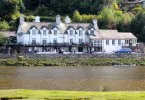
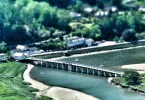
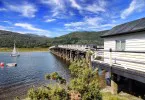
Autumn in Dolgellau
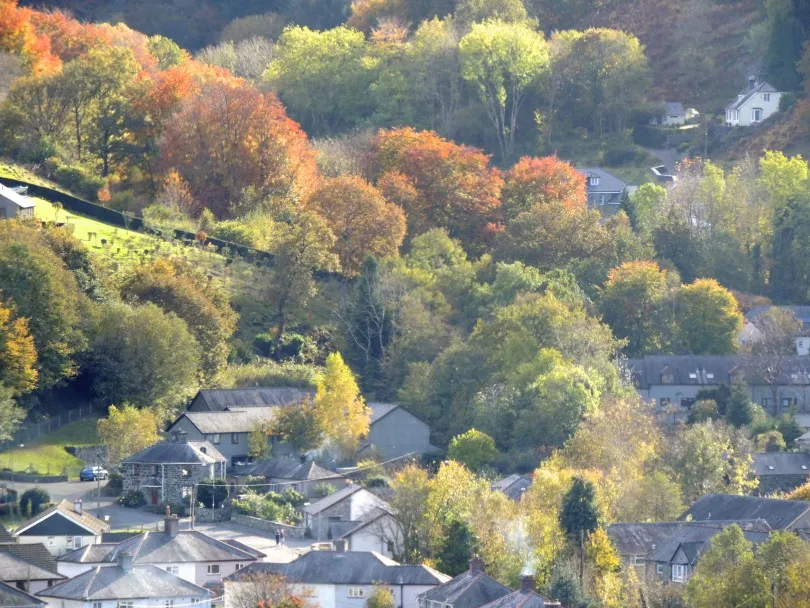
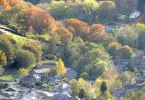
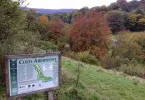
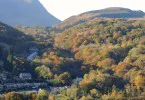
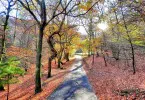
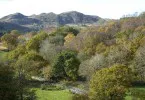
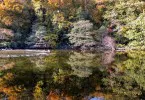
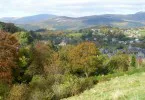
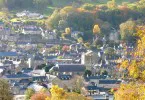
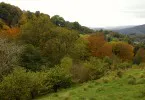
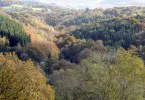
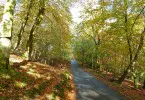
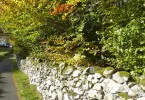
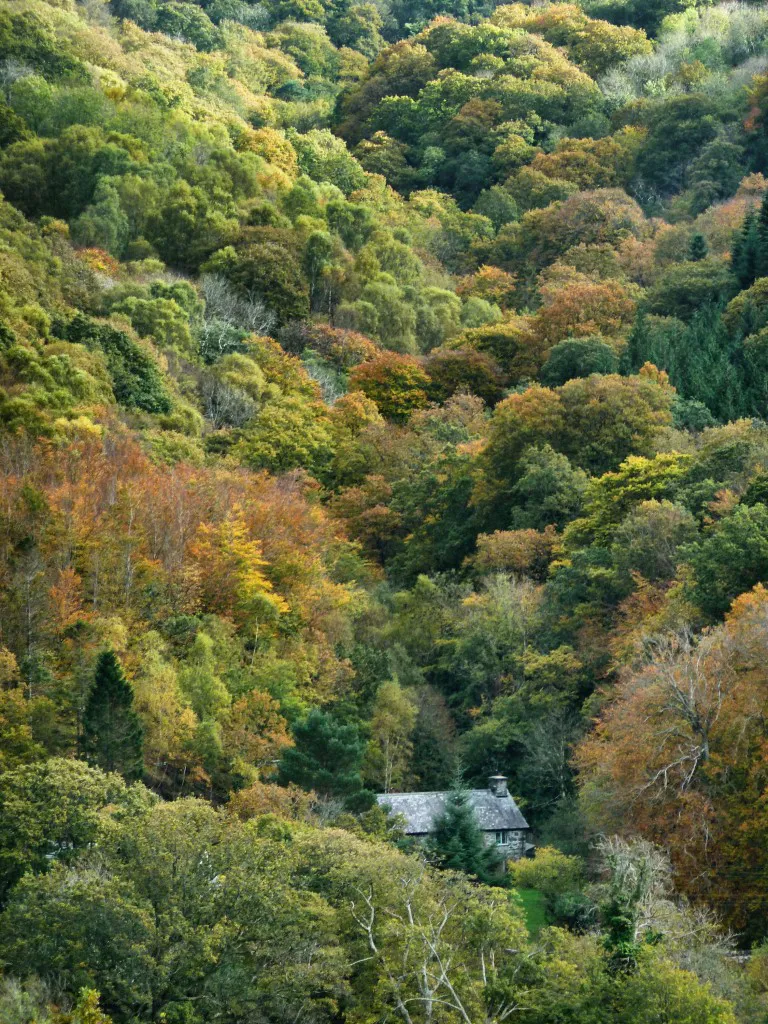
Looking Towards Torrent Walk in Autumn
The Mawddach Trail
The Mawddach Trail follows the nine miles of the old railway line from Dolgellau to Barmouth which was in operation from 1865 until it fell victim to the Beeching cuts exactly a hundred years later in 1965. It is, without doubt, the most popular walk/cycle path in the area, one of the main reasons being that it is FLAT (a rarity in this area). This makes it suitable for all the family, whether on foot on on two wheels (or even a uni-cycle which I saw once). It is also very beautiful with tree-lined sections, river views, mountain views, reed beds, wooden bridges, birds galore, an estuary, sea views and even a pub. The Mawddach Trail (or “Llwybr Mawddach” in Welsh) was featured on Julia Bradbury’s “Railway Walks” series on the BBC a few years ago and is often mentioned as one of the best walks in Wales.
The best starting point is the main Dolgellau town car park (next to the Marian playing fields). You can, of course, walk from Barmouth, but I think walking towards the sea is better than walking away from it. In fact, I’ve never even done it that way.
The first section of the walk is actually beside the old railway line, as that is now the A494. You start by leaving the car park (at the playing field end) and take the signed path beside the river Wnion until you reach the new pedestrian/cycle bridge (built in 2012). Cross this and turn left and carry on until you reach the main Tywyn road. Cross this (carefully) and you’re at the “Bont y Wernddu” car park which is where you start to see signs of the old railway line (which you have now joined). The first sign is the bridge you cross before you reach the gate. If you want a little detour, just before the bridge there is a little path to the right which follows the river for a couple of hundered meters (which is covered in wild garlic in the spring). It’s always worth stopping on this bridge and peering down the river, as I have seen Kingfishers here in the past.
From here, it’s a straight tree-lined walk to Penmaenpool, with reed beds either side (some of the largest in Wales and a Site of Special Scientific Interest).
Go through the cycle-gates at the end of this section and you’re at Penmaenpool… home to an old wooden toll bridge which was built in 1879 and worth a short diversion and walk to the other side. There is also a GWR signal box and the aforementioned Pub (The George III).
Once past Penmaenpool you enter a large cutting, before a dead straight section which ends with the first glimpse of your final destination… Barmouth Bridge. Follow the route and you start to see the estuary opening up with herons and oystercatchers and maybe a glimpse of an Osprey which has been known to make the odd visit.
Carry on and you can make another diversion down to a little pond at Abergwynant, if not, then carry on to your next old ‘station’ at Arthog. This can also be your departure back home if you want, as there are busses which run back to Dolgellau from this little village, just follow the road to your left and turn right until your reach a bus stop. If you want to carry on (and why wouldn’t you) just follow the path straight ahead after you go through the gates and this leads you to Morfa Mawdach station (which is the main Cambrian Coast line and still in operation). Here you turn right and carry on to Barmouth Bridge (which was opened in 1867).
If you want a prettier detour at the end, take the right hand path four-hundred meters after Arthog and follow it through the tall trees and reeds. Turn left after the gate to reach the estuary (only use this one if you are on foot, not on a bike). Follow this path BEHIND the row of houses (Mawddach Crescent) before rejoining the banks of the estuary. I prefer this route as it bypasses the station and gives you a better view of Barmouth, the estuary and a side view of Barmouth Bridge. Cross the style over the fence to rejoin the trail and cross the half a mile long bridge.
Cader Idris Outdoor Gear
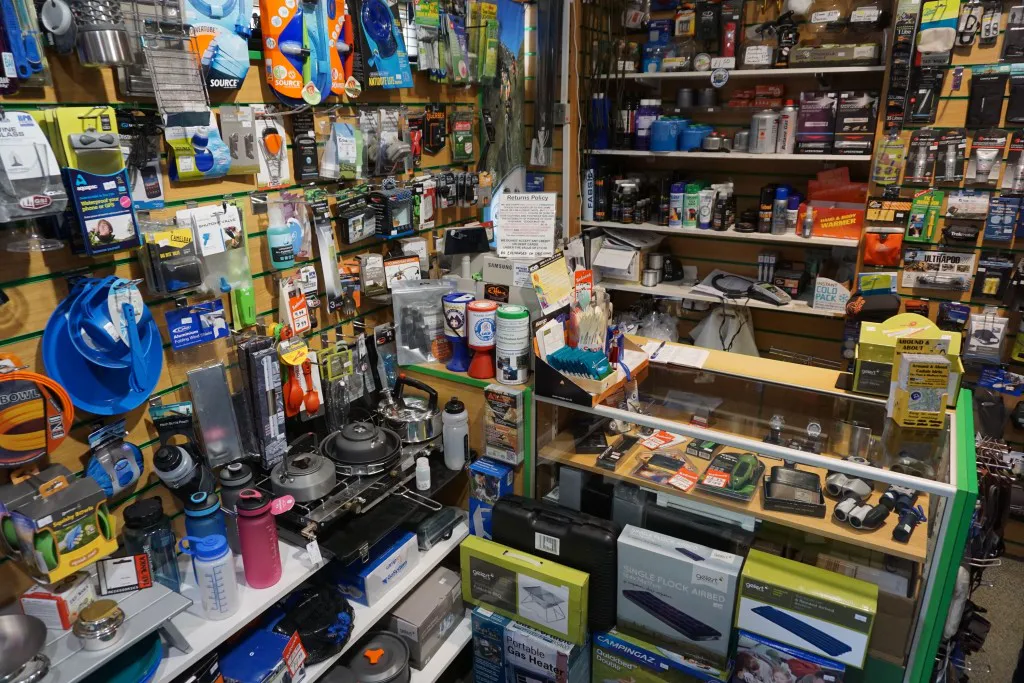
Cader Idris Outdoor Gear
Independent outdoor product retailer based in Dolgellau.
4 Crosby Buildings, Eldon Square, DOLGELLAU. LL40 1PS
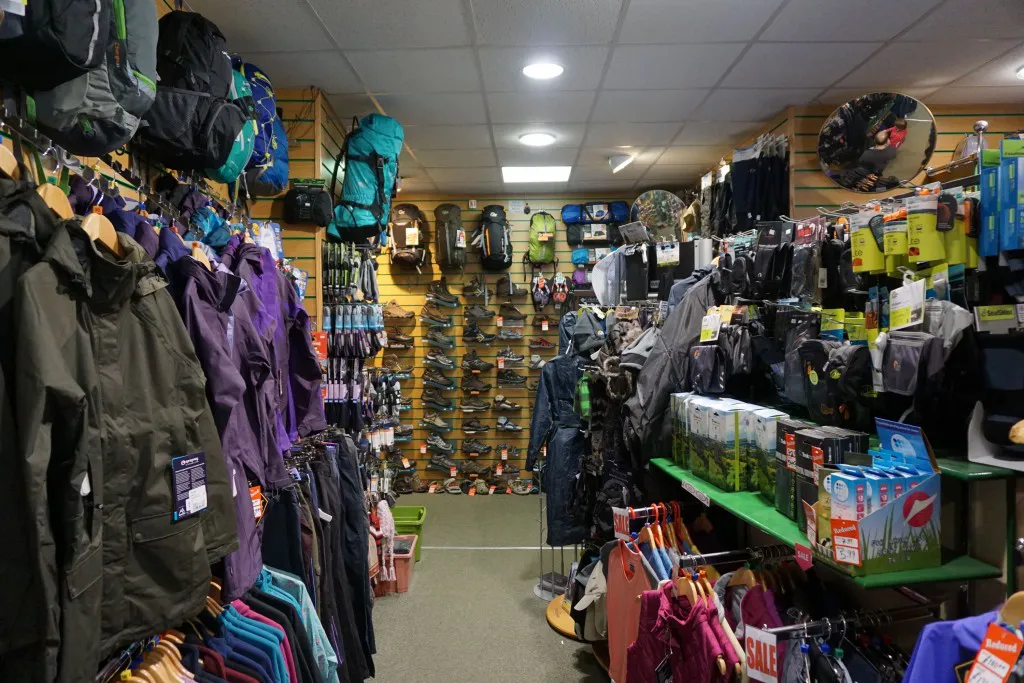
Cader Idris Outdoor Gear
Welcome to Barmouth
OK, technically Barmouth isn’t in Snowdonia (many North Wales seaside town aren’t), but it’s one of the prettiest towns in the area and you can see the slopes of Cader Idris from it’s huge sandy beach. Barmouth is nestled beside the beautiful Mawddach Estuary with excellent hill-walking all around.
The foothills of the Rhinogs and Cader Idris mountain range and all within walking distance and there is a walking festival every September. If you want to take things a little more leisurely, then you can stroll over the half a mile long train/footbridge and onto the Mawddach Trail, where you can walk the old railway line inland to Dolgellau. Barmouth has a population of around 2,250.
Welsh Highland Railway
The Welsh Highland Railway (WHR) or Rheilffordd Eryri, runs 25 miles from Porthmadog to Caernarfon on the north-west coast of Wales, making it the UKs longest heritage railway.
It’s also arguably the most scenic railway in Wales, taking in the Aberglaslyn Pass, Beddgelert, the foot of Snowdon, Llyn Cwellyn, before arriving back on the coast in Caernarfon and it’s majestic castle.
You can travel in comfortable third-class or luxurious Pullman carriages (plus an observation carriage). Each full one-way trip from Porthmadog takes around 2 hours 15 minutes with a stop of around 1 hour 15 minutes in Caernarfon. There are two full return trips per day in peak season and one in off-season (please check their website at festrail.co.uk for a full timetable).
The line originally ran from Porthmadog to Dinas near Caernarfon, the extension being built on the trackbed of the former standard gauge railway. The trains run on a single track line with passing loops at Pont Croesor (the Glaslyn Osprey viewing centre), Beddgelert, Rhyd Ddu, Waunfawr and Dinas.
There are currently five steam locomotives running on the WHR.
Map showing all The Great Little Trains of Wales
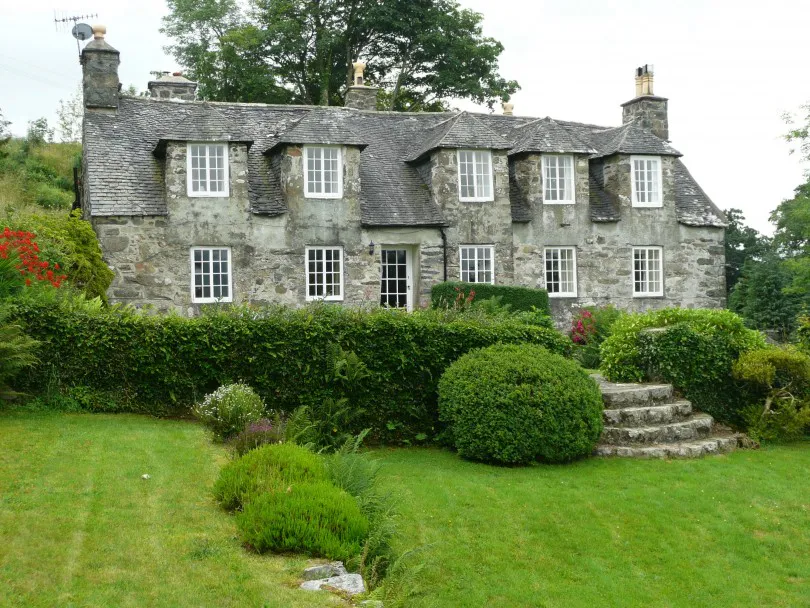
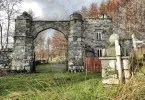
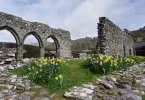
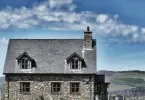
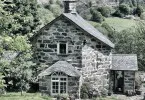
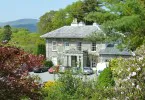
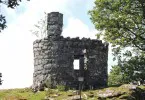
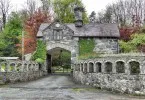
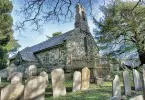
Dolgellau Buildings (Outskirts)
The Snowdonia National Park
The rocks that built Snowdonia were formed by volcanoes in the Ordovician period and much of the scenery was later carved out by Glaciation. While many come to walk to the summit of Snowdon, there are many other mountains to try, which are less crowded and without a train. These include “Cader Idris” (“Cadair Idris”) and the “Rhinogs” (“Rhinogydd”) to the south. While Cader Idris is 600 feet shorter than Snowdon, it’s views are no less breathtaking, overlooking Cardigan Bay and towards Ireland. The Rock climbing also varies from novice to experienced. Edmund Hillary prepared for the 1953 ascent of Mount Everest on the cliff faces in Snowdonia.
Snowdonia is one of the best areas in the UK for cycling and mountain biking, with every level covered; There is “The Mawddach Trail” for novices or young families, this follows the nine mile route of the old railway from Dolgellau to Barmouth. If you are more advanced, then there are the weaving forest tracks of “Coed y Breinin”. There is also a new site at Llechwedd Quarry in Blaenau Ffestiniog and even more planned at Tanygrisiau Lake and Bala.
Snowdonia is steeped in history and culture with over 60% of the population speaking Welsh (as well as English of course). There are also many castles to explore in the area, including Harlech, Conwy and Caernarfon. These were originally built by the English to keep out the Welsh, but now the Welsh have them all back.
The Snowdonia National Park (“Parc Cenedlaethol Eryri” in Welsh) covers 823 square miles of North-West Wales. It is the largest and earliest of the three National Parks of Wales, being established in 1951 (the other two being “The Pembrokeshire Coast” and “The Brecon Beacons”, both to the south). The half a million acres of the Park is home to over 26,000 people, spread across picturesque towns and villages including Dolgellau, Betws-y-Coed, Harlech and Beddgelert.
Snowdonia or “Eryri” (“Place of the Eagles” in Welsh) is home to the largest mountain in England and Wales, “Snowdon” (“Yr Wyddfa” in Welsh which means “Tumulus” or “Burial Mound”). The mountain is 1,085 metres (3,560 ft) high, although it isn’t just one peak, but a series of five, separate by passes. There are many paths to the summit as well as the “Snowdon Mountain Railway”, a 4.7 mile rack and pinion railway, opened in 1896, which takes passengers from Llanberis to the top. The summit also boats a new visitor centre, “Hafod Eryri”, built in 2006.
If you like things a little more ‘steamy’, the how about a visit to one of “The Great Little Trains of Wales”. There are fine examples of Narrow Gauge Railways at “Ffestiniog”, Tal-y-Llyn”, “Llanberis Lake Railway” and the newly completed “Welsh Highland Railway”. Most of these were built for the slate industry in the late nineteenth century and have been modified for people (carriages with seats have been added!).
If you like to take things slow, then other tourist ‘hotspots’ include “Swallow Falls” at Betws-y-Coed, the Portmeirion Italianate village near Porthmadog and Bodnant Gardens. Snowdonia also has 1,479 miles of public footpaths, 164 miles of public bridleways and 50 miles of other public rights of way. It also has 37 miles of coastline, perfect for boating and fishing.