




Snowdonia Weather: Seasons, Rain and Mountain Conditions
Snowdonia is wet, changeable and cooler on the tops than in the valleys. Moist air from the Atlantic meets the mountains of north-west Wales and is forced upward, which brings frequent cloud and rain. The best approach is to expect all four seasons in a day, check a mountain forecast, and pack for the summit instead of the car park.
Below is how conditions tend to vary through the year and how to plan around them. Figures here are general; check live forecasts for specific days.
Why the weather is changeable
The prevailing winds in Britain blow from the south-west, crossing the Irish Sea before reaching the Welsh coast. When that air rises over high ground, it cools and the moisture falls as cloud and rain. This is called orographic rainfall, and it explains why the western hills are wetter than lowland areas further east.
Mountains also create their own conditions. Temperature drops as you gain height, roughly by several degrees per thousand metres, and wind speed rises on exposed ridges. A calm, mild valley can sit below a summit in cloud and gale.
Spring: bright spells and late cold
Spring brings longer days and the first dry settled spells, but snow can still lie on higher ground well into the season, and night frosts are possible. Rivers and waterfalls are often full after winter rain. Spring is a good time for low-level walks and for the railways and gardens in the southern part of the national park, while higher routes may need winter skills if snow remains.
Summer: warmest, busiest, still unsettled
Summer offers the longest daylight and the most reliable chance of clear views, which is why it is the busiest period. It is not dry, however. Showers and thunderstorms can develop, and cloud may sit on the summits for days. Hill fog is the main hazard for walkers, because paths that seem obvious in sunshine can be hard to follow when you cannot see far.
Carry waterproofs and a warm layer even on a hot morning, and take water and sun protection for low-level days.
Autumn: colour, shorter days, more rain
Autumn produces fine light and woodland colour, with fewer visitors after the school holidays. Days shorten quickly, so allow extra time and carry a head torch. Rain becomes more frequent, and Atlantic storms may bring strong wind that makes high ridges unsafe. Check for storm warnings before heading out.
Winter: snow, ice and short daylight
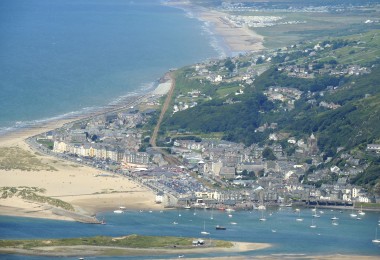
Winter conditions on the high tops can be serious. Snow, ice, freezing fog and strong winds can occur, and daylight may last under eight hours. Experienced walkers use ice axes and crampons and know how to use them; ordinary summer walking kit is not enough. Valley towns and coastal places such as Barmouth often stay milder, and many visitors choose low-level walks, museums and heritage railways at this time.
How to read the forecast
A general forecast for a town will not tell you what to expect at 1,000 metres. Use sources that are written for the hills:
- the Mountain Weather Information Service (MWIS), which publishes free forecasts for mountain areas in the UK, including Snowdonia (mwis.org.uk)
- the Met Office mountain forecast for Snowdonia, which gives summit temperature, wind and cloud base
- local reports from the national park authority and mountain rescue, for path and safety notices
Look at wind speed, freezing level and cloud base, not only rain. A forecast of gusts above gale force on summits is a good reason to choose a different plan.
Planning around the weather
- Choose two plans, one for good visibility and one for poor weather.
- Check the forecast the day before and again on the morning.
- Start early and set a turn-around time.
- Tell someone where you are going and when you expect to return.
- If conditions worsen, descend; there is no shame in turning back.
Rainy days are well suited to indoor visits and low-level places. The things to do in southern Snowdonia page lists railways, gardens and trails, some of which are covered or sheltered. The home page gives an overview of towns for a longer stay.
Frequently asked questions
When is the best time to visit Snowdonia?
Late spring and summer usually give the best chance of long days and clear views, while early autumn offers quieter paths. There is no guarantee of dry weather in any month.
Does it rain a lot in Snowdonia?
Yes. The area is one of the wetter parts of the UK, with the heaviest rain on the western mountains. Even in summer, showers are common.
How cold is it on the summit of Snowdon?
It is usually noticeably colder than at the foot of the mountain, with wind making it feel colder still. Check the mountain forecast for the day.
Is Snowdonia safe in winter?
Low-level walking and sightseeing are fine with sensible clothing. The high summits need winter equipment and experience, and conditions can change within hours.